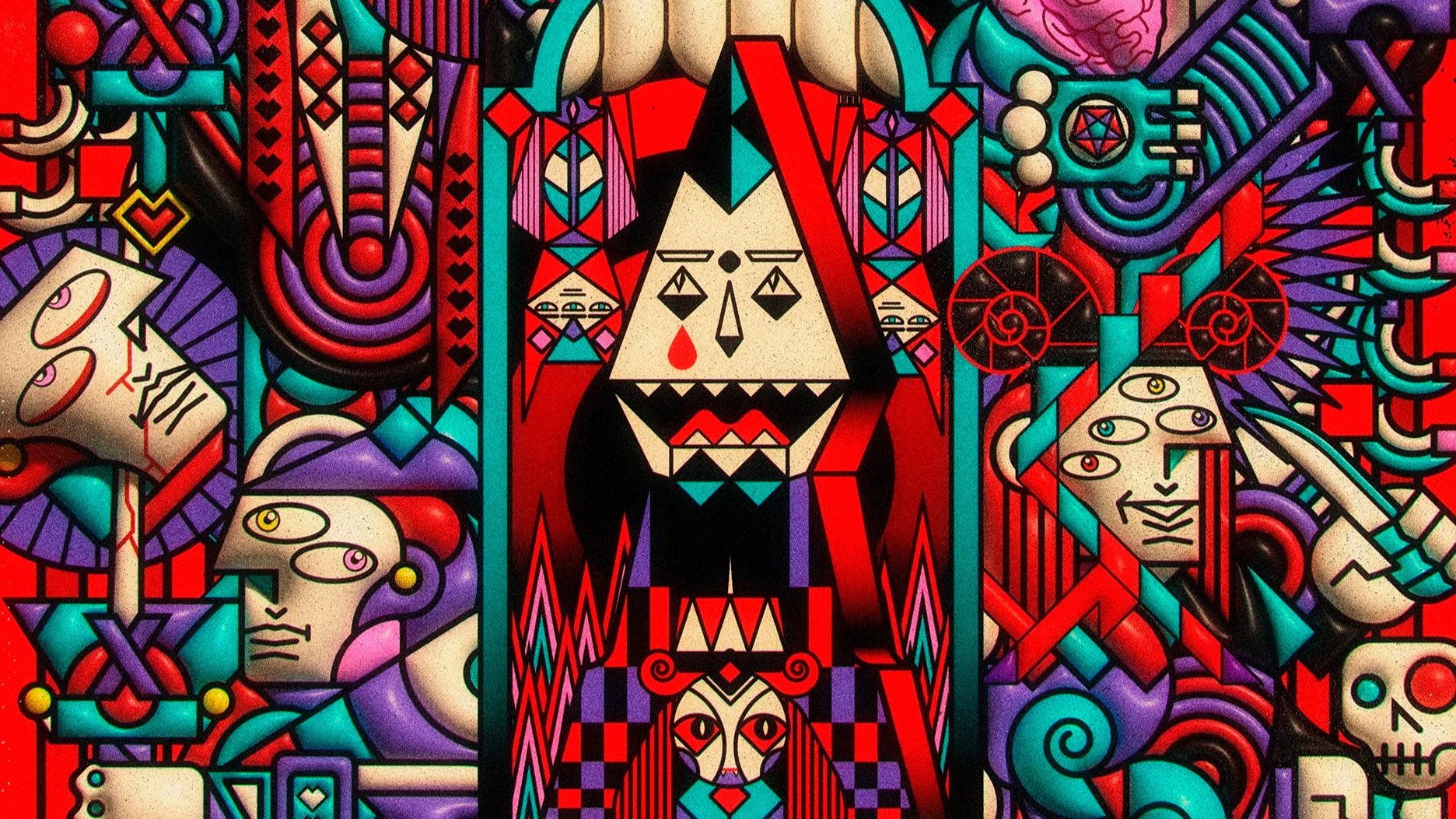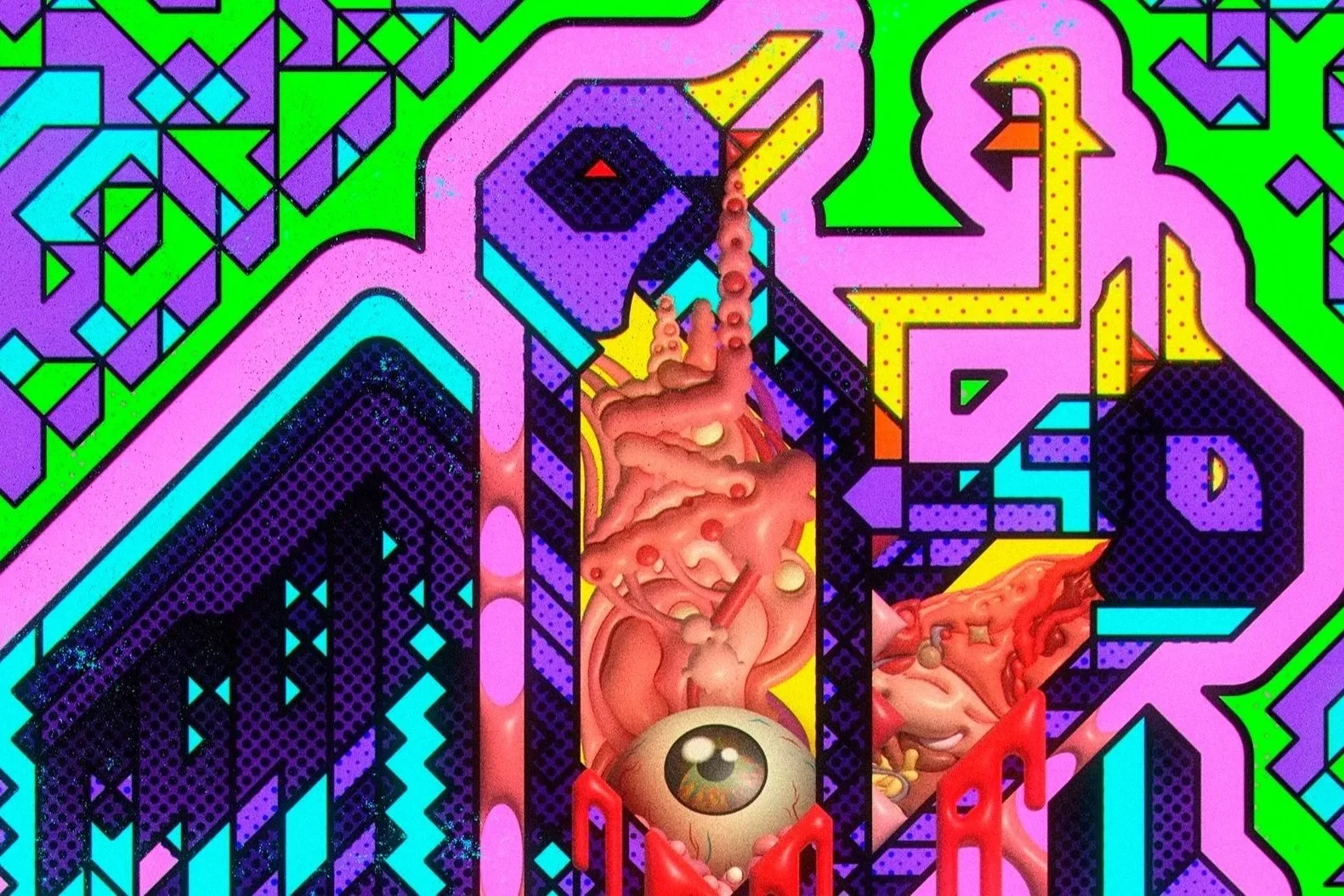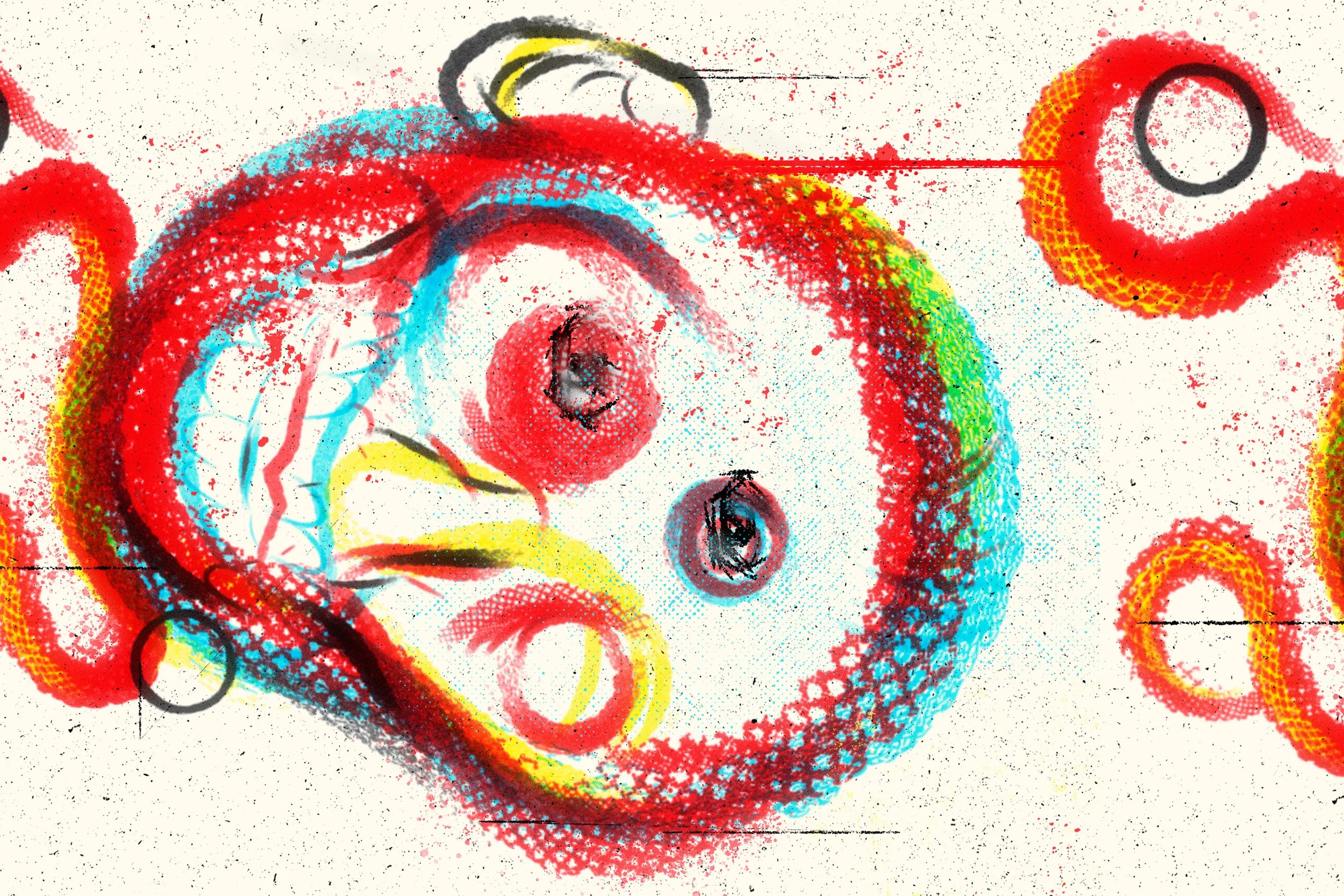
The life cycle of the pigeon begins within the Pigeon Lament Tree, a perennial organism distinguished by its chalk-colored cambium and audible internal movements that resemble a bird wailing infused with ineffable pain. During reproductive months, the tree produces pendulous fruits known as peristerovolvoí, or pigeon bulbs, each containing a bonded embryonic pair.
At the center of the fruit forms the amnion vellum, a semi-transparent placental sac threaded with vascular filaments and prone to slow muscular contractions. Within this chamber, pigeons develop conjoined along the thoracic ridge, sharing a circulatory column and an auxiliary heart that ceases function upon division. Infrequently, irregular folding of the amnion vellum results in the appearance of a third organism. This occurrence, termed trinality bloom, produces a structurally unstable body and is associated with elevated internal pressure and premature fruit rupture.
When the fruit darkens and begins to bruise, the pigeons are considered viable for extraction. Separation must be performed by a licensed specialist trained in both surgery and negotiation. Prior to incision, the specialist invokes the Clause of Pain, a binding accord requiring mutual consent between the conjoined pigeons and the practitioner. The clause stipulates that suffering cannot be reduced, transferred, or deferred—only equally acknowledged. This protocol was established a thousand thousand years ago by the Ivory Man, who is credited with the creation of the Pigeon Lament Tree, the pigeons, and even the specialists themselves.
Following separation, juvenile pigeons enter an adolescent phase characterized by uneven molting and impaired spatial judgment. Feathers shed in asymmetrical patterns, frequently exposing the pale sutural line where union once existed. During this period, individuals demonstrate persistent affiliative behavior toward their former counterpart, including mirrored movements, shared roosting attempts, and sustained physical pressure along the sternum. Though these behaviors diminish with maturity, they do not disappear entirely.
Post-mortem examinations reveal dormant connective tissue beneath the breastbone and residual nerve clusters with no apparent function. Current consensus suggests the pigeon body, even in isolation, continues to behave as though something has been misplaced.